




How to Become an Ethical Hunter

What Responsible Hunters Do When the Choice Isn’t Easy
Becoming a better hunter is often measured by success—filled tags, clean shots, memorable seasons.
Becoming an ethical hunter is measured differently.
Ethics show up in the moments that don’t make highlight reels: when a shot is possible but uncertain, when conditions aren’t ideal, or when walking away feels harder than pulling the trigger. Ethical hunting is not about perfection. It’s about how decisions are made when no one is watching.
This guide explains what ethical hunting looks like in practice—and how hunters can consistently make choices that respect wildlife, land, and the future of the hunt.
Ethical Hunting Goes Beyond Legal Requirements
Laws define what is allowed. Ethics define what is right.
A legal shot is not always an ethical one. Ethical hunters understand that regulations set minimum standards, not personal ones. Ethics begin where compliance ends.
In the field, this means:
-
Evaluating conditions honestly, not optimistically
-
Holding yourself to standards higher than enforcement requires
-
Accepting restraint as part of responsible hunting
Ethical hunters don’t ask, “Can I?”
They ask, “Should I?”
Respecting Wildlife Through Shot Discipline
Few decisions carry more ethical weight than taking a shot.
Responsible hunters prioritize:
-
Clear shot angles
-
Effective ranges they’ve practiced under real conditions
-
Stable shooting positions
-
Confidence in a quick, humane harvest
Ethics often appear in the decision to pass. A deer moving through brush, quartering poorly, or standing at the edge of effective range may still present an opportunity—but not a responsible one.
Walking away empty-handed is sometimes the most ethical outcome of the day.
Fair Chase Is About Restraint, Not Difficulty
Fair chase isn’t about making hunting harder for its own sake. It’s about ensuring animals retain a reasonable chance to detect danger and respond naturally.
Ethical hunters avoid:
-
Taking advantage of artificial confinement
-
Pressuring animals when conditions remove their ability to escape
-
Using technology or tactics that eliminate decision-making
Fair chase preserves respect—for the animal and for the hunt itself. Success earned without restraint often feels hollow.
Ethics in the Use of Modern Gear
Technology continues to evolve, and ethical hunting evolves with it.
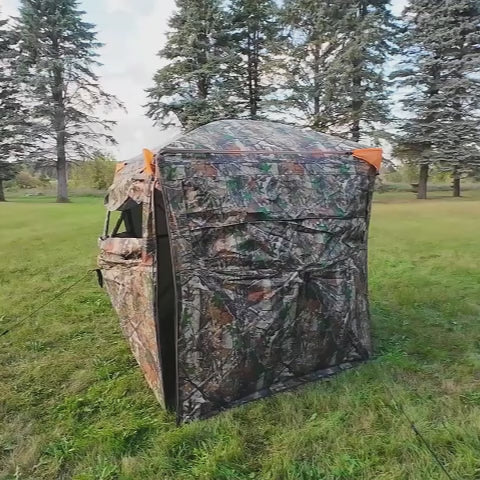
Tools like rangefinders, ground blinds, trail cameras, and modern optics are not inherently unethical. The ethical question lies in how they are used.
Responsible hunters:
-
Use tools to improve accuracy and safety, not certainty
-
Avoid relying on gear to replace judgment
-
Maintain control over timing, distance, and shot selection
Ethics are not decided by equipment—they’re decided by restraint.
Respect for Land, Property, and Access
Ethical hunting depends on access, and access depends on trust.
On private land, ethical hunters:
-
Follow property rules exactly
-
Communicate clearly with landowners
-
Leave no sign of damage or carelessness
On public land, ethics extend to other hunters:
-
Avoid interfering with active setups
-
Respect established blinds and stands
-
Maintain safe distances and shooting directions
-
De-escalate conflicts rather than engage them
Public land ethics are about coexistence. Every hunter shares responsibility for maintaining opportunity.
Knowing When to Stop, Not Just When to Start
One of the clearest signs of an ethical hunter is knowing when to stop.
Ethical restraint shows up when:
-
Weather conditions increase the risk of wounding
-
Light fades beyond reliable shot placement
-
Fatigue reduces judgment or steadiness
-
Recovery would be unsafe or irresponsible
Stopping early is not quitting—it’s choosing responsibility over pride.
Handling the Harvest with Respect
Ethics don’t end with the shot.
Respecting the animal means:
-
Making every effort to recover game
-
Field dressing promptly and properly
-
Avoiding waste
-
Using the harvest intentionally
Whether meat is shared, stored, or prepared, ethical hunters treat the harvest as more than a result—it is a responsibility.
Representing Hunting Beyond the Field
Every hunter represents the community, whether intentionally or not.
Ethical hunters:
-
Speak about wildlife with respect
-
Avoid glorifying suffering or recklessness
-
Handle harvested animals with dignity
-
Understand that public perception shapes hunting’s future
How hunters behave off the field influences whether future generations will have the same opportunities.
Ethics Are Built Through Habit
Ethical hunting is not a checklist. It’s a mindset formed through repeated decisions.
It shows up in preparation, patience, restraint, and accountability. Laws can mandate behavior. Ethics require character.
No one hunts ethically all the time—but ethical hunters consistently try.
Final Thoughts: Ethics Define the Hunter, Not the Outcome
Anyone can take a shot. Ethical hunters decide when not to.
By respecting wildlife, practicing fair chase, caring for land access, and holding themselves to higher standards, ethical hunters protect the integrity of hunting itself.
Success fades. Ethics endure.
And when future seasons depend on today’s choices, those decisions matter more than any tag filled.